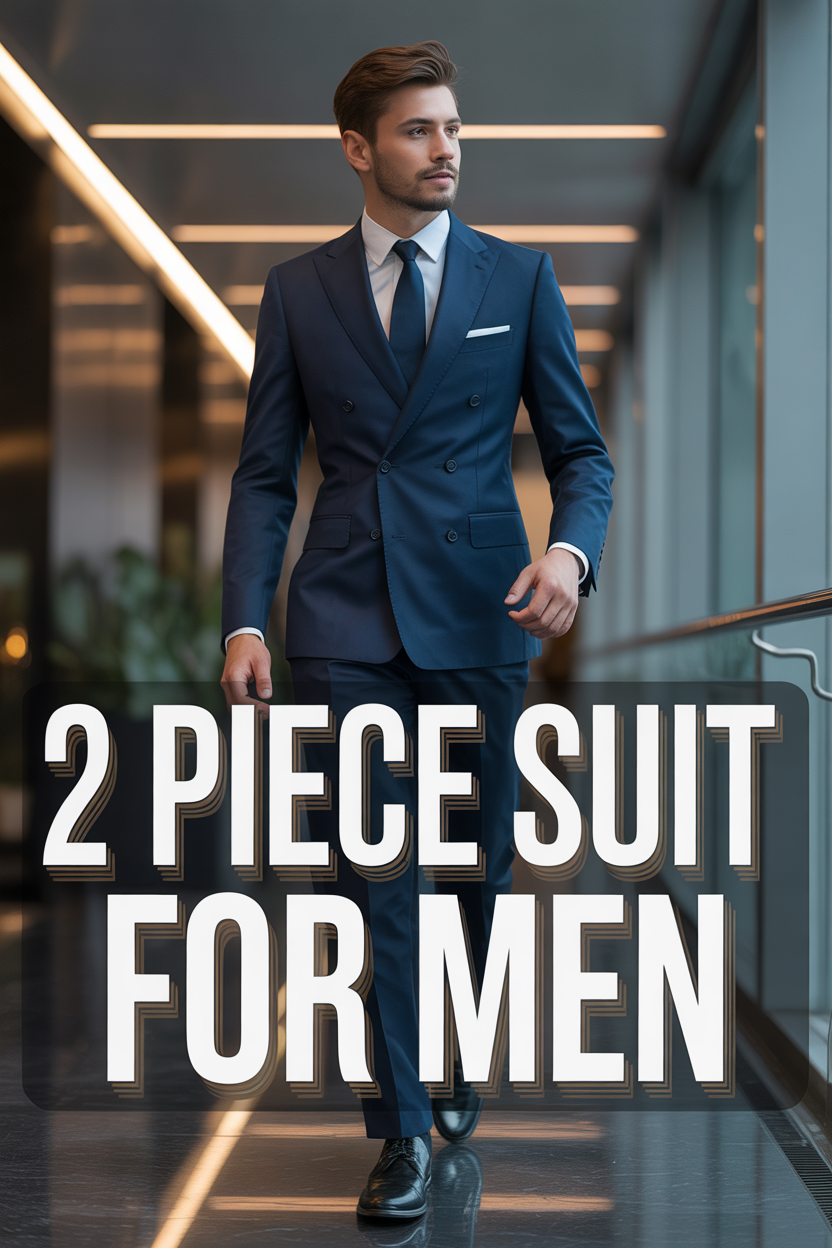
🕴️ 2 Piece Suit For Men
👔 The Foundation Essentials
Great style isn't about having a closet full of clothes; it's about having the right pieces. These are the 5 foundational menswear staples that stylists and fashion editors consider absolutely essential for building a versatile, universally handsome wardrobe.
👕 Carhartt Heavyweight Pocket T-Shirt
The undisputed king of basic tees. Its heavyweight cotton construction means it drapes cleanly without clinging, holding its shape wash after wash. It easily forms the base layer for casual streetwear looks or grounds a tailored aesthetic under a blazer.
👖 Levi's 511 Slim Fit Jeans
The modern standard for men's denim. The 511 hits that perfect sweet spot—slim enough to look intentionally tailored and polished, but with enough room to actually move and breathe. A dark wash pair easily transitions from the weekend to casual Fridays.
👞 Clarks Bushacre 2 Chukka Boot
The most versatile piece of footwear a man can own. When sneakers are too casual and dress shoes are too stuffy, the suede classic chukka bridges the gap perfectly. They pair just as flawlessly with selvedge denim as they do with tailored chinos.
⌚ Casio 'Duro' Analog Dive Watch
Famously worn by Bill Gates, this iconic dive watch provides staggering value and durability for the price. With its clean dial, 200m water resistance, and classic styling, it commands respect from watch collectors while instantly elevating any casual outfit.
🟤 Timberland Classic Leather Belt
A rugged, full-grain leather belt is a non-negotiable anchor for your wardrobe. Unlike cheap bonded leather that cracks and splits in months, this solid leather band develops a handsome patina over years of daily wear, grounding every look with authentic texture.
In the ever-evolving landscape of men’s fashion, certain garments stand as immutable pillars of style, continually reinventing themselves while retaining their quintessential charm. Among these, the two-piece suit reigns supreme. Far from being a relic of yesteryear, the modern 2 piece suit for men has transcended its traditional formal confines, emerging as a dynamic, versatile, and utterly indispensable element of the contemporary gentleman’s wardrobe. It’s a canvas for personal expression, a statement of sophistication, and a testament to enduring elegance. This isn’t just about donning a uniform; it’s about crafting an identity, showcasing an astute understanding of sartorial finesse, and navigating the world with an air of effortless confidence. Whether you’re commanding a boardroom, celebrating a milestone, or simply elevating your everyday aesthetic, the two-piece suit offers an unparalleled blend of polish and panache, making it the ultimate power play in modern dressing.
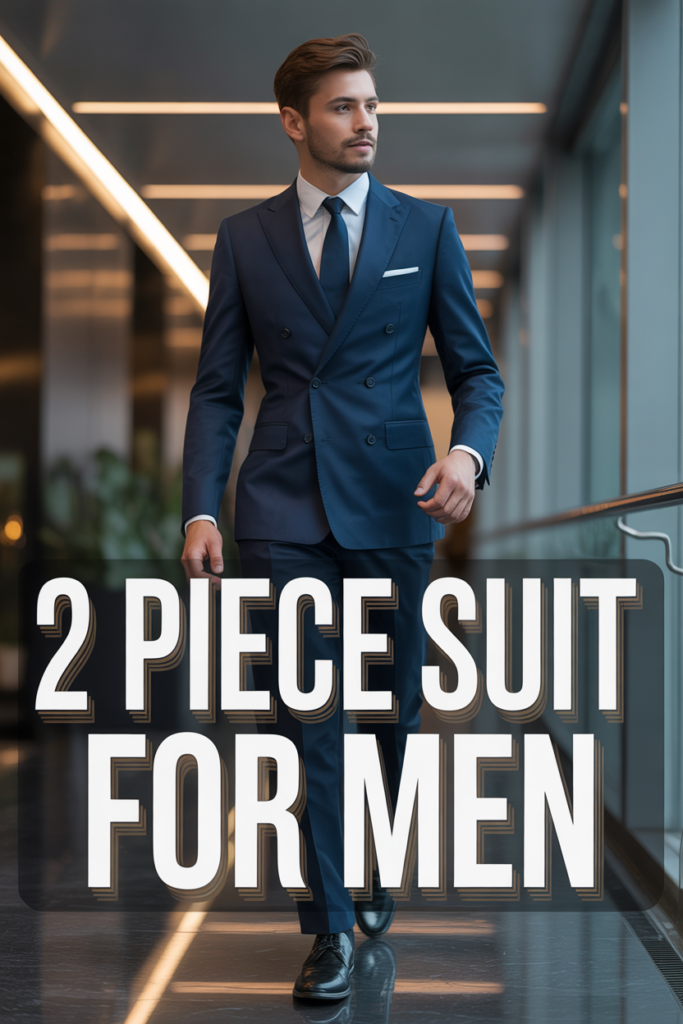
What is 2 Piece Suit For Men?
At its core, a 2 piece suit for men is a matching ensemble comprising a jacket (often referred to as a blazer or coat) and a pair of trousers, both crafted from the identical fabric. This cohesive pairing is what distinguishes it from separates, where trousers and jackets are intentionally mismatched, and from its more formal sibling, the three-piece suit, which includes an additional waistcoat (vest).
Historically, suits evolved from various forms of court and military dress, eventually solidifying into the more tailored, streamlined silhouettes we recognize today. The two-piece variant gained widespread popularity in the 20th century as a standard for business attire, formal occasions, and even everyday smart dressing. Its enduring appeal lies in its inherent balance: it’s formal enough for significant events, yet adaptable enough to be dressed down or broken apart for more casual settings.
In the current fashion climate, the definition of the 2 piece suit has expanded dramatically. While the fundamental structure remains – matching jacket and trousers – the interpretations are boundless. We see a spectrum ranging from the sharp, traditional cuts favored by Savile Row-inspired brands to the relaxed, deconstructed styles championed by contemporary designers. Fabrics have diversified beyond classic wools to include linen, cotton, silk blends, and even innovative synthetics, each offering distinct drapes, textures, and seasonal appropriateness. The true essence of the modern two-piece suit lies in its ability to adapt to the wearer’s lifestyle and personal aesthetic, making it not just an outfit, but a versatile tool for self-expression.
Key Features
Understanding the anatomy and nuances of a 2 piece suit is crucial for appreciating its versatility and making informed choices. Each component and design element plays a pivotal role in shaping the suit’s overall aesthetic and suitability for various occasions.
The Jacket: The Heart of the Ensemble
- Single-Breasted vs. Double-Breasted:
- Single-Breasted: The most common and versatile style, featuring one column of buttons and an overlapping fabric flap. Typically comes with two or three buttons, though a one-button jacket offers a sleek, modern look often seen in evening wear or fashion-forward contexts. It’s the go-to for its ease of wear and broad appeal.
- Double-Breasted: A more formal and assertive choice, characterized by two columns of buttons and a wider overlap of fabric. It exudes a powerful, vintage-inspired elegance and is experiencing a strong resurgence in contemporary fashion, often with a slightly softer shoulder and a more relaxed drape for a less rigid feel.
- Lapels:
- Notch Lapel: The standard and most versatile choice, recognized by the “notch” where the collar meets the lapel. Suitable for almost any occasion.
- Peak Lapel: Characterized by its points (peaks) that extend upwards towards the shoulders. More formal and often found on double-breasted suits, adding a touch of grandeur and broadening the wearer’s chest.
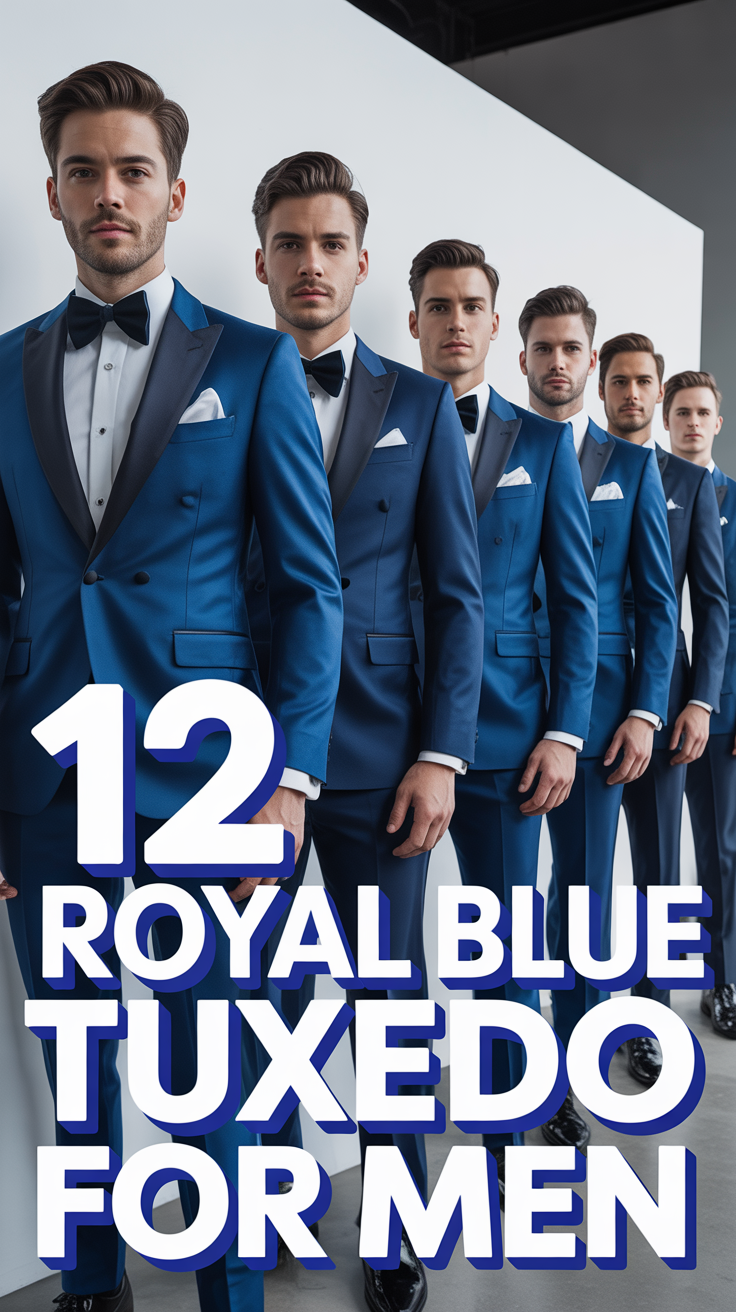
- Shawl Lapel: A smooth, rounded, continuous lapel typically reserved for tuxedos and formal evening wear, exuding sophisticated elegance.
- Vents:
- Single Vent: A slit up the center back of the jacket, common in American-style suits.
- Double Vent: Two slits, one on each side of the back, offering a more tailored look and allowing for easier movement, particularly when sitting. Prevalent in British and European tailoring.
- No Vent: A very traditional, often Italian, style that offers a clean back but can be restrictive.
The Trousers: The Foundation of Fit
- Pleated vs. Flat-Front:
- Flat-Front: The modern standard, offering a clean, streamlined silhouette. Highly versatile and popular.
- Pleated: Features folds of fabric at the waistband, adding volume and a classic, often more relaxed, aesthetic. Often associated with vintage styles but is making a comeback in looser, higher-waisted cuts.
- Cuffs vs. No Cuffs:
- Cuffed: A fold of fabric at the bottom of the trouser leg, adding weight and a traditional, slightly more casual feel. Best suited for trousers with a slight break or no break.
- No Cuffs: A clean, unadorned hem, offering a sleeker, often more modern look. Ideal for trousers with a very minimal or no break.
- Fit:
- Slim Fit: Tapered through the leg and closer to the body, a popular contemporary choice.
- Straight Fit: A classic, consistent width from hip to hem, offering comfort and timeless appeal.
- Relaxed Fit: A looser, more comfortable fit, gaining traction in trend-focused circles for a laid-back yet sophisticated vibe.
Fabric & Texture: The Sensory Experience
The choice of fabric dictates the suit’s drape, comfort, and seasonal appropriateness.
- Wool: The king of suit fabrics.
- Worsted Wool: Smooth, durable, and versatile, ideal for year-round wear.
- Flannel: Soft, fuzzy, and warm, perfect for cooler months.
- Tweed: A rugged, textured wool, excellent for country-inspired or casual-chic looks.
- Linen: Lightweight and breathable, synonymous with summer and casual elegance. Embraces wrinkles as part of its charm.
- Cotton: A versatile, breathable option, great for warmer weather and more casual suits.
- Blends: Often combine natural fibers with synthetics for enhanced durability, stretch, and wrinkle resistance.
Color & Pattern: The Visual Statement
- Neutrals: Navy, charcoal grey, and black are timeless foundations, offering maximum versatility.
- Bolder Hues: Forest green, burgundy, tan, and various shades of blue are popular for making a statement.
- Patterns:
- Pinstripe: Vertical thin lines, elongating and authoritative.
- Checks: From subtle micro-checks to bold windowpane and classic Prince of Wales, adding depth and personality.
- Solids: Clean, crisp, and always elegant.
Fit: The Ultimate Differentiator
Regardless of fabric, color, or style, the fit of a suit is paramount. A perfectly tailored suit elevates even the most modest fabric, while a poorly fitting suit undermines the most luxurious. Key areas to scrutinize include the shoulders (should lie flat and align with your own), jacket length (should cover your seat), sleeve length (expose about half an inch of shirt cuff), and trouser break (the way the trousers meet your shoes).
How to Get Started
Embarking on your journey with the 2 piece suit for men can feel daunting, but with a structured approach, you’ll build a formidable and stylish wardrobe. The key is to start with versatility and gradually expand your collection.
1. Define Your Purpose & Budget
Before diving in, consider why you need a suit. Is it for daily office wear, occasional formal events, or to elevate your smart-casual game? This will guide your fabric, color, and style choices. Simultaneously, establish a realistic budget. Quality suits are an investment, but excellent options exist across all price points. For a first suit, prioritize fit and fabric over brand name.
2. Understand the Fundamentals of Fit
This is non-negotiable. An ill-fitting suit, no matter how expensive, will look cheap. Familiarize yourself with these core principles:
- Shoulders: The jacket shoulders should lie perfectly flat, without puckering or extending past your natural shoulder line.
- Jacket Length: The bottom hem of the jacket should generally cover your seat and fall to about the middle of your thumb when your arms are relaxed at your sides.
- Sleeve Length: The jacket sleeves should end just above your wrist bone, allowing about 0.5 to 1 inch of your shirt cuff to show.
- Trouser Waist: Should fit comfortably without a belt, allowing for easy movement but not sagging.
- Trouser Length/Break:
- No Break: Trousers skim the top of your shoes without any fold. Modern and sleek.
- Slight Break: A single, subtle fold where the trousers meet the shoes. Classic and versatile.
- Full Break: Multiple folds, a more traditional look. Less common in modern styling.
The current trend leans towards a no-break or slight-break for a cleaner, more contemporary silhouette.
3. Choose Your First Suit Wisely: The Versatility Play
For your inaugural 2 piece suit, prioritize maximum versatility:
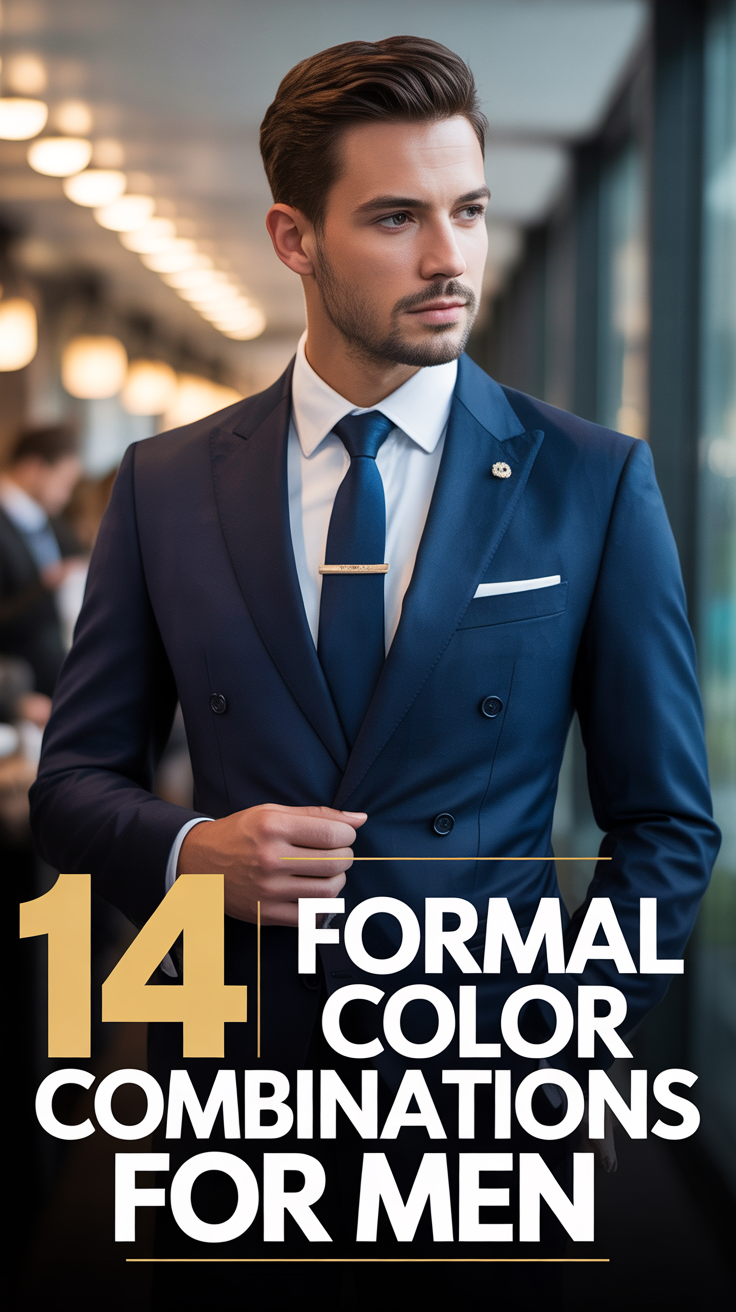
- Color: Opt for a navy blue or charcoal grey. These colors are incredibly adaptable, suitable for almost any occasion, and pair well with a wide range of shirt and tie combinations. Black suits are generally reserved for very formal events or funerals, and can be less versatile for daily wear.
- Fabric: A mid-weight worsted wool is ideal. It’s durable, drapes beautifully, and can be worn comfortably across most seasons.
- Style: A single-breasted, two-button jacket with notch lapels and double vents is the quintessential versatile choice. It’s classic, unobtrusive, and universally flattering.
- Trousers: Flat-front trousers with a slim or straight fit are modern and clean. Decide on cuffs based on your preferred break and personal style.
4. Embrace the Tailor: Your Secret Weapon
This cannot be stressed enough: a tailor is your best friend. Even an off-the-rack suit can look bespoke with proper alterations. Focus on getting the shoulders right when you buy, as this is the most difficult and expensive alteration. Everything else – sleeve length, trouser length, waist adjustments, jacket tapering – is relatively straightforward for a skilled tailor. Consider this an essential part of the suit-buying process, not an optional extra.
5. Curate Your Accessories
Once you have your foundational suit, start building a collection of essential accessories:
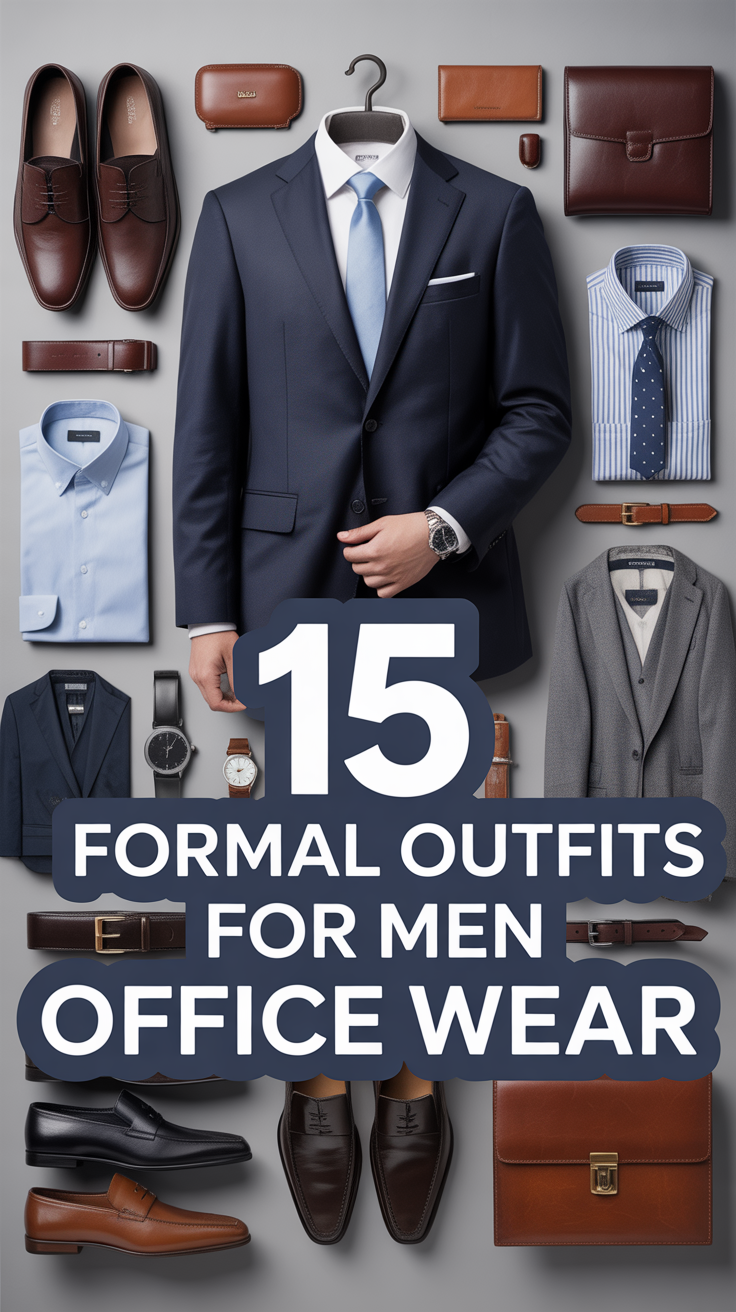
- Shirts: White and light blue dress shirts are indispensable.
- Ties: A few solid silk ties in versatile colors (navy, burgundy) and perhaps a subtle pattern.
- Shoes: A pair of well-polished brown or black leather Oxfords or Derbies. Loafers or monk straps can offer a more relaxed yet refined alternative.
- Pocket Squares: A white linen pocket square is a timeless classic. Experiment with silk squares for pops of color and pattern.
- Belt: Should match your shoes in color and leather type.
By following these steps, you’ll not only acquire a fantastic first suit but also lay the groundwork for a sophisticated and stylish wardrobe, ready for any occasion.
Tips for Success
Once you’ve acquired your impeccably tailored 2 piece suit, the journey doesn’t end there. Mastering the art of wearing and maintaining it transforms it from mere clothing into a powerful expression of personal style. Here are some pro tips to ensure you always look your sharpest and most confident.
1. Master the Art of the Mix & Match
One of the greatest strengths of the two-piece suit is its inherent modularity. Don’t relegate your suit components to a single, fixed ensemble. Learn to break them apart and integrate them into your broader wardrobe:
- Jacket as a Blazer: Pair your suit jacket with tailored chinos, dark wash jeans, or even smart shorts for a refined casual look. A navy suit jacket, for instance, works beautifully over a crisp white tee with grey trousers or tailored denim.
- Trousers as Separates: Wear your suit trousers with a knitted polo shirt, a fine gauge sweater, or a casual button-down. Wool trousers can instantly elevate a casual top, making them perfect for smart-casual events or even a relaxed office environment.
This approach maximizes your investment and expands your styling possibilities exponentially, embodying a truly trend-focused and aspirational aesthetic.
2. Invest in Quality Fabrics & Construction
While an entry-level suit is a great starting point, as you progress, consider investing in higher-quality fabrics and superior construction. A suit made from premium wool, linen, or a luxurious blend will not only drape better and feel more comfortable but also last significantly longer. Look for details like full canvas construction (though half canvas is a great mid-range option), quality lining, and robust stitching. These elements contribute to the suit’s longevity and its ability to hold its shape beautifully, making a visible difference in how it looks and feels.
3. Pay Attention to the Details: The Devil is in the Dapper
Elevate your suit game by focusing on the seemingly small but impactful details:
- Buttons: Swapping out standard plastic buttons for genuine horn, mother-of-pearl, or corozo buttons can instantly upgrade the look and feel of your suit.
- Lining: A pop of color or a subtle pattern in the jacket lining can add a touch of personality and flair, visible when you hang your jacket or take it off.
- Pocket Squares: Don’t just stuff it in. Experiment with different folds (puff, presidential, crown) to match the occasion and your mood.
- Watches & Cufflinks: These are not just functional; they are statements. A classic timepiece and elegant cufflinks can significantly enhance your overall sophisticated appeal.
- Socks: Often overlooked, but the right pair of socks (patterned, brightly colored, or a subtle texture) can be a fun way to express individuality, especially with a slightly shorter trouser break.
4. Master Seasonal Adaptability
A truly stylish gentleman understands that suits are not one-size-fits-all, especially when it comes to climate. Build a collection that allows you to dress appropriately for the weather:
- Spring/Summer: Opt for lightweight fabrics like linen, cotton, fresco wool, or light wool blends in lighter colors such as tan, light grey, or various shades of blue. Unlined or half-lined jackets will offer maximum breathability.
- Autumn/Winter: Embrace heavier fabrics like flannel, tweed, cashmere blends, or heavier worsted wools. Richer, darker colors such as charcoal, navy, forest green, or burgundy are perfect for the colder months.
This foresight ensures comfort and demonstrates a sophisticated understanding of seasonal style.
5. Cultivate Confidence and Poise
Ultimately, the most important accessory you can wear with any 2 piece suit is confidence. A suit is designed to make you feel powerful, elegant, and ready for anything. Stand tall, maintain good posture, and wear the suit with conviction. Don’t let the suit wear you; instead, let it amplify your inherent charisma. A well-chosen, well-fitted suit is a sartorial armor that, when worn with confidence, projects an aura of capability and effortless charm, aligning perfectly with an aspirational image.
Common Mistakes to Avoid
While the 2 piece suit is a cornerstone of refined menswear, several common pitfalls can derail even the most well-intentioned outfit. Steering clear of these mistakes is crucial for maintaining a chic, trend-focused, and aspirational aesthetic.
1. The Ill-Fitting Suit: The Cardinal Sin
This is, without a doubt, the most egregious error. A suit that is too big makes you look sloppy and unkempt, drowning your frame. A suit that is too small restricts movement, creates unflattering pulls and wrinkles, and looks uncomfortable. Key indicators of a poor fit include:
- Shoulders: Jacket shoulders that extend past your natural shoulder line or pucker excessively.
- Jacket Length: A jacket that is too long (past your knuckles) or too short (exposing your shirt below the button).
- Sleeve Length: Sleeves that completely cover your shirt cuff or reveal too much of your arm.
- Trouser Break: Trousers that pool excessively around your ankles or are high-waters.
Solution: Always, always budget for tailoring. Buy a suit that fits well in the shoulders and chest, as these are the hardest to alter. Everything else can be adjusted by a skilled tailor.
2. Ignoring Fabric & Season Appropriateness
Wearing a heavy tweed suit in the height of summer or a crisp linen suit in the dead of winter is a glaring faux pas. Not only is it uncomfortable, but it also demonstrates a lack of sartorial awareness.
Solution: Build a diverse suit wardrobe with fabrics suited for different climates. Opt for breathable materials like linen, cotton, or lightweight wools for warmer seasons, and heavier wools like flannel or tweed for colder months. Pay attention to the lining as well; unlined or half-lined jackets are great for summer.
3. Over-Accessorizing or Under-Accessorizing
Finding the right balance with accessories is key. Too many flashy items can make your look cluttered and ostentatious, while too few can leave your outfit feeling incomplete or bland.
- Over-accessorizing: Wearing a bold tie, a busy pocket square, a statement watch, a lapel pin, and cufflinks all at once.
- Under-accessorizing: Wearing a suit without a tie or pocket square when the occasion clearly calls for it, or neglecting to polish your shoes.
Solution: Less is often more. Choose one or two focal accessories and let them shine. Ensure your accessories complement, rather than compete with, your suit. Always ensure your shoes are clean and polished, and your belt matches your shoes.
4. The Wrong Shoe Choice
Shoes are the foundation of your suit ensemble, and choosing the wrong pair can instantly undermine your entire look. Wearing athletic sneakers with a formal suit, or overly casual loafers with a business suit, are common missteps.
Solution: Invest in quality leather dress shoes. Oxfords and Derbies are timeless choices for most suit wear. Monk straps and sleek loafers can work for slightly less formal or fashion-forward looks. Ensure your shoes are always clean, polished, and appropriate for the formality of the suit and occasion. Match your belt to your shoes.
5. Neglecting Proper Suit Care & Maintenance
A suit is an investment, and neglecting its care will drastically shorten its lifespan and diminish its appearance. Frequent dry cleaning, improper storage, and ignoring minor repairs are common mistakes.
Solution:
- Dry Cleaning: Dry clean suits sparingly, only when they are truly dirty or stained. Over-dry cleaning can damage the fibers and shorten the suit’s life. Instead, air out your suit after each wear and use a suit brush to remove dust and debris.
- Storage: Always hang your suit on a wide, sturdy wooden hanger that supports the shoulders. This helps maintain the jacket’s shape. Store suits in a breathable garment bag to protect them from dust and moths.
- Rotation: Avoid wearing the same suit two days in a row. Allow wool suits to rest for at least 24-48 hours between wears to let the fabric recover and release wrinkles.
By consciously avoiding these common errors, you’ll ensure your 2 piece suit always projects an image of sharp, sophisticated, and contemporary style.
FAQ
Q1: Can I wear a 2 piece suit for men casually?
A: Absolutely! The modern 2 piece suit is incredibly versatile. The key lies in the fabric, color, and how you style it. For a casual look, opt for suits in cotton, linen, or lightweight wool in lighter colors like tan, light blue, or even pastel shades. You can deconstruct the suit by wearing the jacket with tailored chinos or dark jeans, or the trousers with a knitted polo shirt or a crisp casual button-down. For a truly casual full suit look, swap out the dress shirt and tie for a high-quality t-shirt (crew neck or V-neck), a fine-gauge knit, or a Cuban collar shirt. Pair with stylish sneakers, loafers, or espadrilles instead of formal dress shoes. It’s all about breaking traditional rules with intention.
Q2: What’s the most versatile color for a first 2 piece suit?
A: Without a doubt, navy blue or charcoal grey. These two colors are the workhorses of any sophisticated wardrobe. They are appropriate for almost every occasion, from business meetings to weddings, and can be easily dressed up or down. Navy offers a touch more warmth and approachability, while charcoal grey exudes a quiet authority. Both pair beautifully with a wide array of shirt, tie, and shoe colors, making them ideal foundational pieces for building your suit collection.
Q3: How often should I dry clean my suit?
A: Contrary to popular belief, suits should be dry cleaned as infrequently as possible. Over-dry cleaning can be harsh on the fabric, stripping natural oils from wool and shortening the suit’s lifespan. Instead, after each wear, hang your suit on a sturdy hanger, allow it to air out for at least 24 hours, and use a good quality suit brush to remove dust and surface debris. Spot clean any small stains immediately. Only send your suit to the dry cleaner when it’s genuinely dirty, has stubborn stains, or starts to smell. For regular maintenance, professional steaming can refresh the fabric without harsh chemicals.
Q4: Should I go for a single-breasted or double-breasted 2 piece suit?
A: For your first few suits, or if versatility is your top priority, a single-breasted suit is the recommended choice. It’s inherently more adaptable, easier to wear (you can unbutton it more readily), and suitable for a wider range of occasions, from formal business to smart casual. A double-breasted suit, while incredibly chic and making a strong comeback, is a bolder and more fashion-forward statement. It exudes a more formal, authoritative, and often vintage-inspired elegance. It’s best added to your wardrobe once you have a solid foundation of versatile single-breasted suits and are looking to make a more distinct sartorial impression.
💼 The Grooming & Polish Kit
The difference between looking 'okay' and looking genuinely well-put-together is entirely in the finishing details. These 5 grooming and care essentials are what truly elevate your presentation from the standard off-the-rack look to an intentionally polished aesthetic.
🪒 Philips Norelco Multigroom Series 7000
A sharp outfit is instantly undermined by an unkempt beard or messy neckline. This powerhouse all-in-one trimmer handles everything from precise beard fading to body grooming, ensuring lines stay crisp so your overall presentation remains impeccably sharp.
🌊 Davidoff Cool Water EDT Fragrance
Your scent is the invisible accessory that leaves a lasting impression. This timeless, universally praised aquatic fragrance offers a fresh, masculine scent profile that is crisp enough for the office yet intriguing enough for date night—a true daily driver.
👞 Complete Leather Shoe Care & Polish Kit
Nothing ruins a tailored suit faster than scuffed, dull dress shoes. Keeping a dedicated horsehair brush and quality polish kit on hand guarantees your footwear always looks maintained, instantly upgrading the perceived value of your entire outfit.
♨️ Steamfast Mini Travel Steam Iron
Wrinkles are the enemy of sharp style. This incredibly compact but powerful iron knocks out collar creases and shirt wrinkles in minutes. It completely changes the game for maintaining the sharp, crisp lines that distinguish intentional menswear from lazy dressing.
🧳 Waxed Canvas & Leather Dopp Kit
Throwing your grooming supplies into a plastic ziplock bag is a habit to leave in the past. A handsome, water-resistant canvas toiletry bag organizes your essentials with dignity and rugged style, ensuring you remain a gentleman whether at the gym or traveling.
Conclusion
The 2 piece suit for men stands not merely as an item of clothing, but as a potent symbol of confidence, sophistication, and timeless style. In an era where personal branding is paramount, a well-chosen and impeccably tailored suit communicates an unspoken narrative of discernment and attention to detail. It’s a testament to the fact that while trends may ebb and flow, true elegance remains eternally relevant.
From its foundational role in traditional business attire to its exciting reinvention within the realms of smart-casual and even street style, the two-piece suit has proven its unmatched adaptability. It empowers you to navigate diverse social and professional landscapes with an effortless grace, offering a canvas upon which to express your unique personality through fabric, cut, and carefully curated accessories. By understanding its key features, embracing the indispensable role of a skilled tailor, and avoiding common pitfalls, you equip yourself with the tools to master this sartorial staple.
So, whether you’re stepping into your first tailored ensemble or refining a seasoned collection, remember that the journey with the 2 piece suit is one of continuous discovery and self-expression. It’s an investment in not just your wardrobe, but in your image, your presence, and your unwavering pursuit of aspirational style. Embrace its power, wear it with conviction, and let your suit tell a story of modern elegance, sophistication, and undeniable charm.